Eskişehir offers a rich cultural and historical landscape that reflects thousands of years of civilization, from Phrygian heritage to Seljuk and Ottoman architecture, as well as modern museums and artistic spaces. Visitors can explore historic districts, ancient monuments, cultural complexes, and numerous museums throughout the city and its surrounding regions.
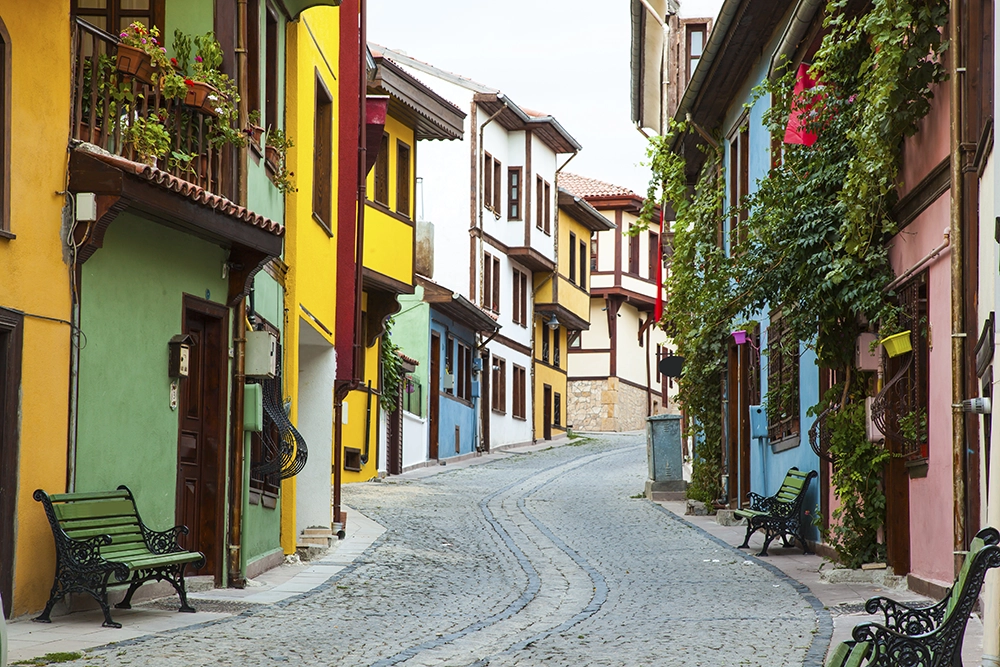
Odunpazarı Houses: A historic district listed on the UNESCO World Heritage Tentative List, showcasing some of the finest examples of Traditional Anatolian Turkish Architecture with its characteristic winding streets.
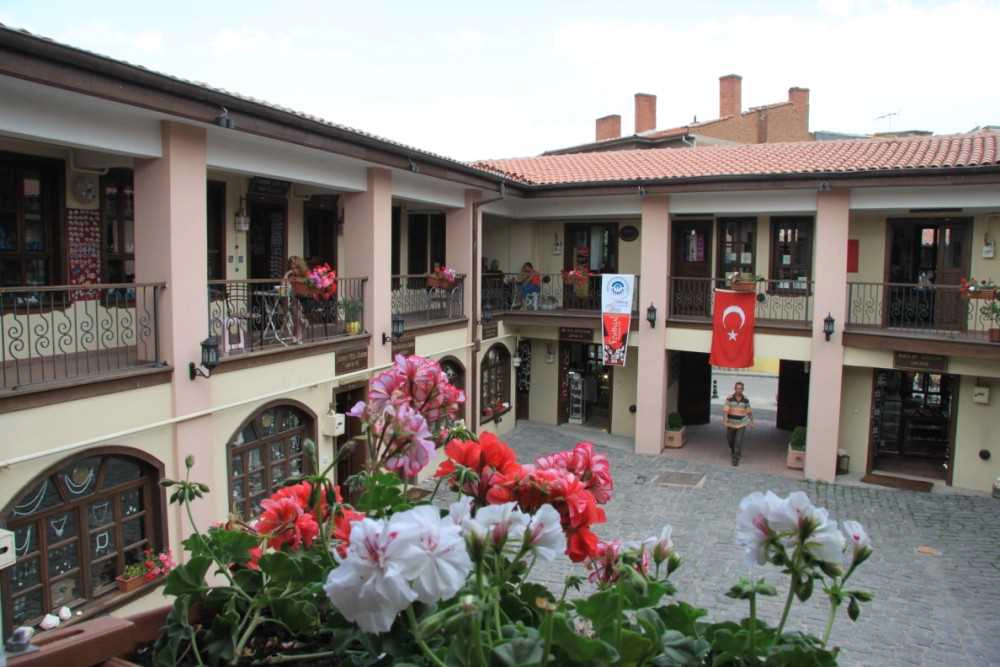
Atlıhan Handicrafts Bazaar: A traditional bazaar that once functioned as a caravanserai and today hosts workshops and shops of meerschaum and other handicraft artisans.
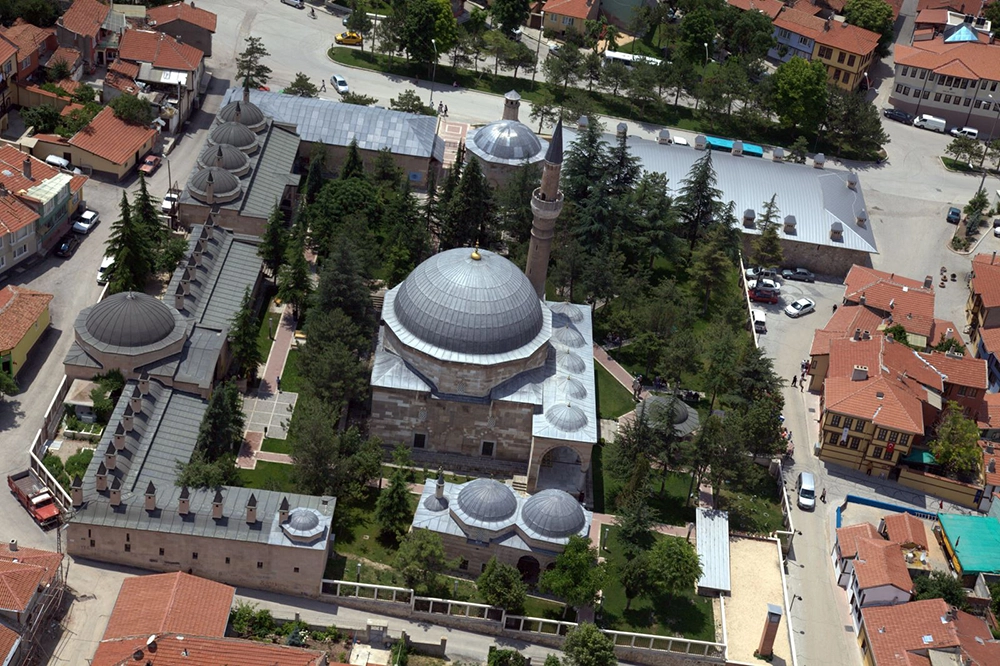
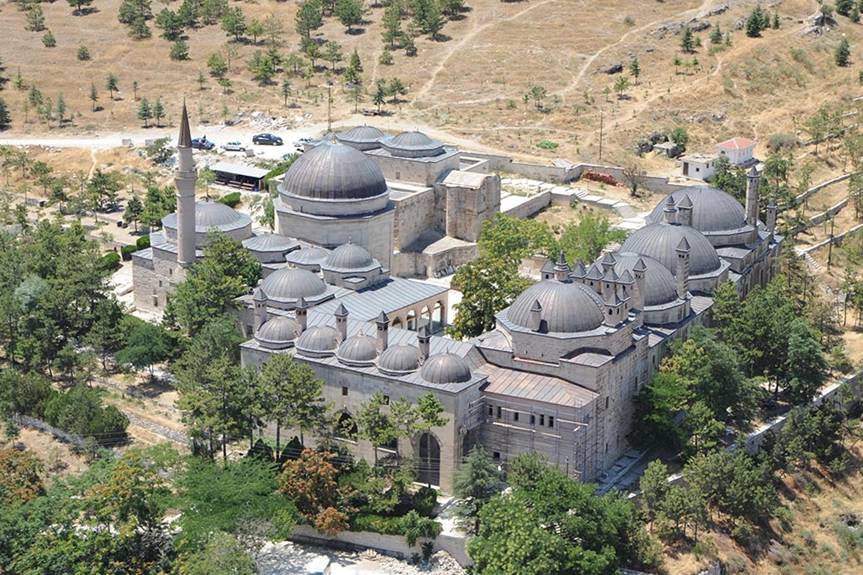
Kurşunlu Mosque and Complex: A historical complex built in the 16th century by Çoban Mustafa Pasha, consisting of a mosque, madrasa, and caravanserai, reflecting the grandeur of Ottoman architecture.
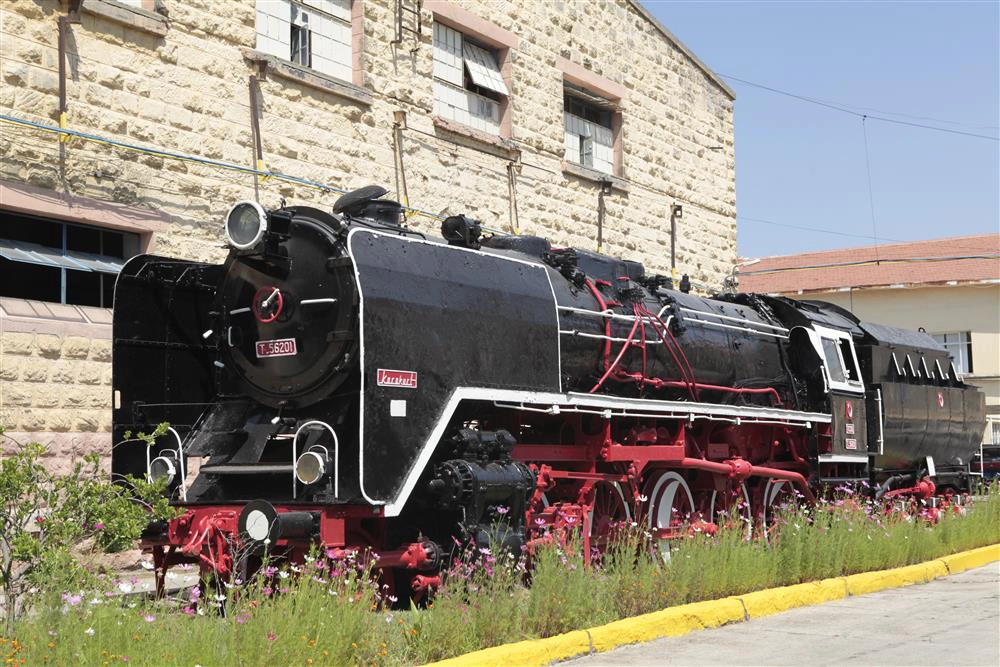
TÜLOMSAŞ Museum / Devrim and Karakurt: One of the most important symbols of Turkish industrial history, where Türkiye's first domestically produced automobile 'Devrim' and the first local locomotive 'Karakurt' are exhibited.
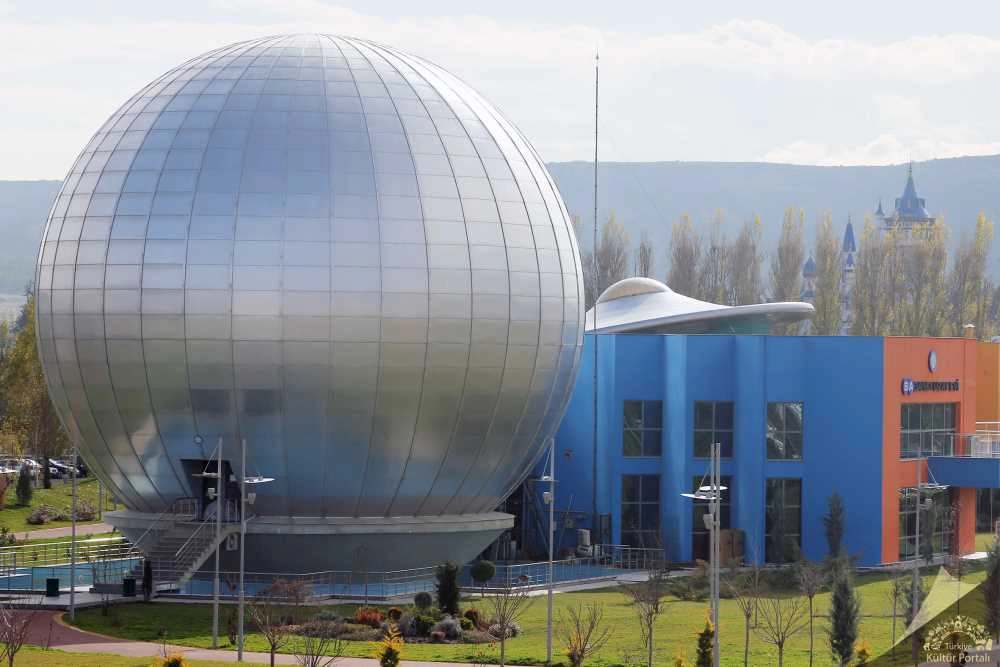
Eskişehir Science Experiment Center: An interactive science center located in Sazova Park, where children and young people learn scientific principles through hands-on experiments and fun activities.
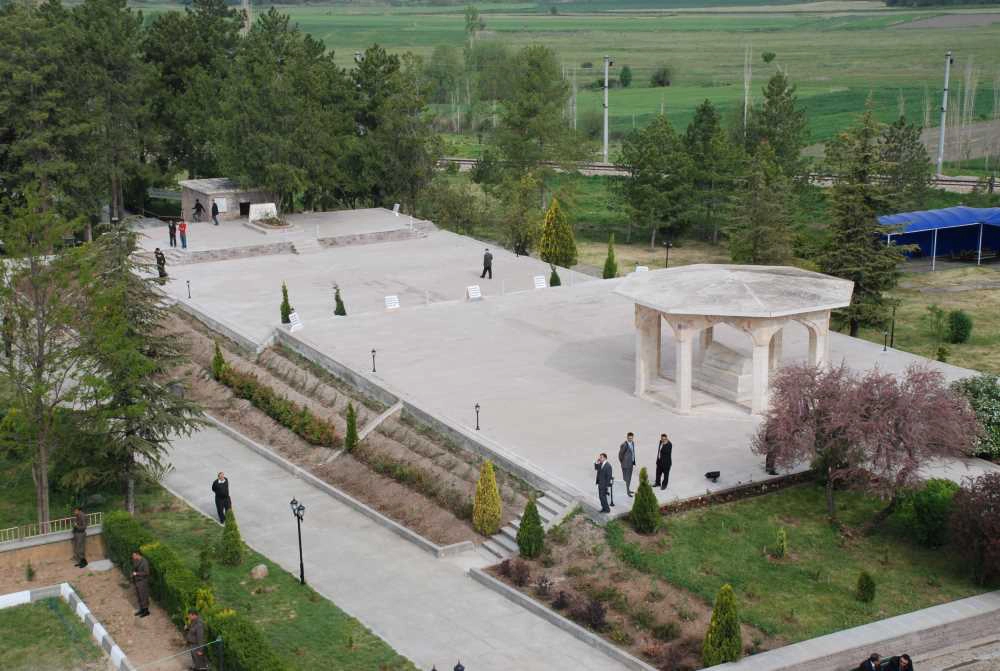
Seyyid Battal Gazi Complex: A magnificent religious center
built in the 1200s on Üçler Hill in Seyitgazi, reflecting Seljuk and Ottoman
architectural elements.
More
Doğanlı Castle: A seven-story rock-cut fortress built by the
Phrygians, resembling a falcon when viewed from a distance.
More
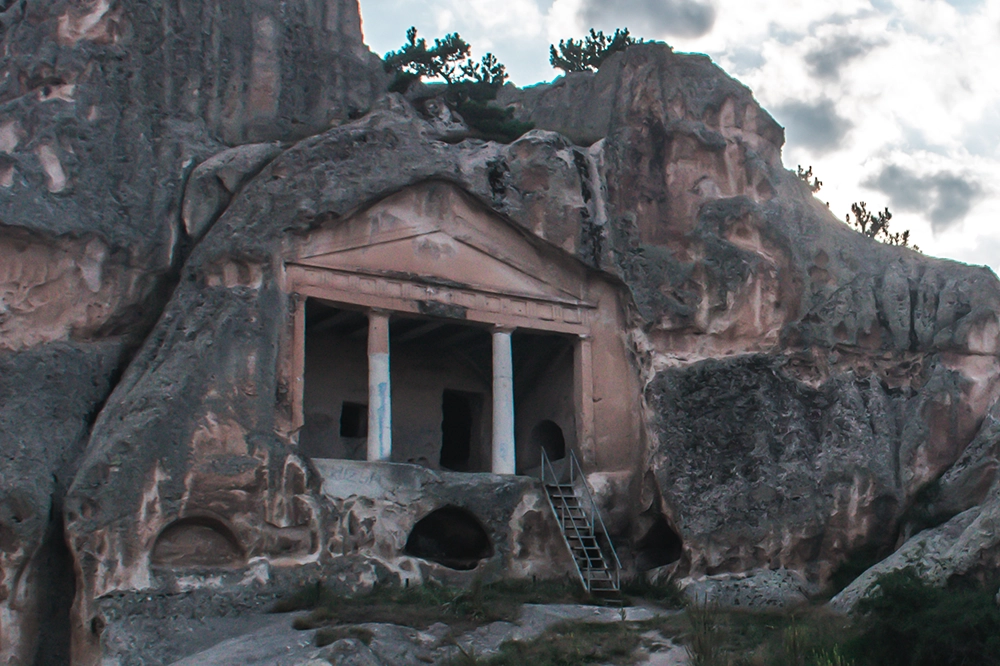
Gerdek Rock Monument: A monumental rock tomb carved into the
eastern face of a massive rock during the Hellenistic period and later used in
the Roman era, notable for its Doric-style temple façade.
More
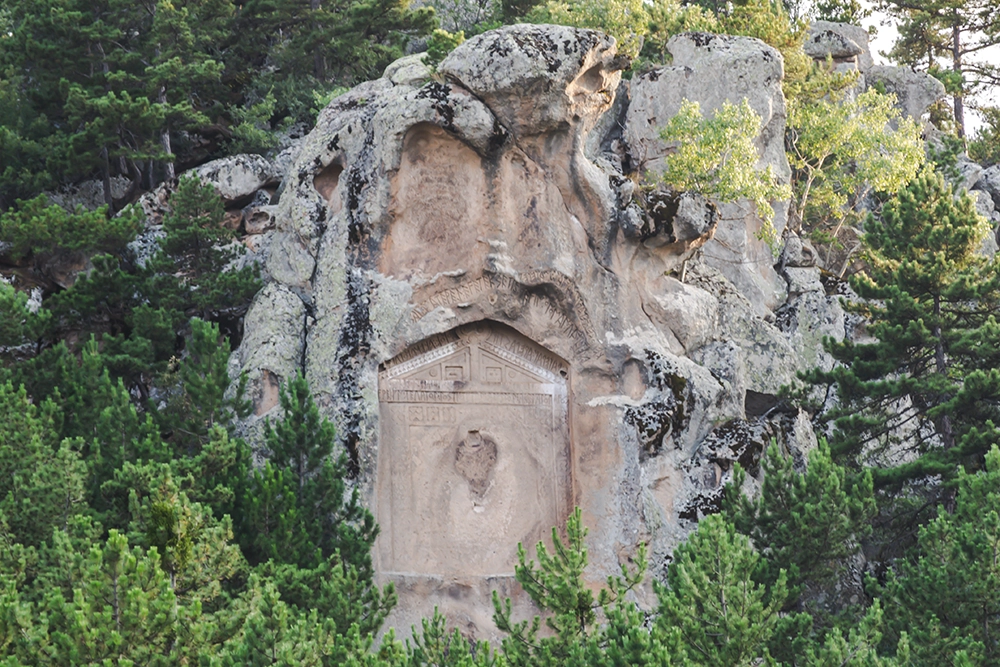
Midas Monument (Yazılıkaya): Located in Han district, this is
one of the most impressive rock monuments of the Phrygian civilization. With its
monumental façade and geometric decorations, it is attributed to King Midas and
stands as one of Eskişehir’s most significant cultural landmarks for visitors
interested in history, archaeology, and nature.
More
Areyastis Monument: Situated southwest of the Midas Monument,
this unfinished structure is significant for illustrating the stages of Phrygian
rock carving.
More
Kümbet Asar Castle: A typical example of a Phrygian rock
fortress
located in Kümbet Valley, featuring rock-cut stairways and cisterns.
More
Yapıldak Asar Castle: A fortress near Yapıldak Village,
containing rock tombs from the Phrygian and Roman periods and believed to have
served as a lookout point.
More
Ballık Castle: A rocky structure bearing traces of Phrygian-era
settlement, with rock tombs from the Phrygian and Roman periods on its northern,
western, and southern faces, thought to have been used for defensive purposes.
More
Keskaya (Çatalkaya): A Phrygian rock settlement in the Porsuk
Valley, notable for its dramatic appearance split by a deep central fissure.
More
Salon Tomb (Aslanlı Temple): Originally carved by the Phrygians
and later reshaped during the Roman period with monumental façade decorations,
this structure is one of the region’s most unique rock tombs. Although named
after the “Solon” inscription on its lintel, it is popularly known as the
‘Aslanlı Temple’ due to the eagle, shield reliefs, and facing lion figures on
its pediment.
More
.webp)
.webp)
.webp)
Yunus Emre Complex and Tomb: A spiritual pilgrimage site and
cultural complex located in Mihalıççık, where the tomb of the great folk poet
Yunus Emre is found.
More
House of Nasreddin Hodja: A historic house in Sivrihisar
commemorating Nasreddin Hodja, the world-famous 13th-century scholar, jurist,
religious figure, and humorist.
More
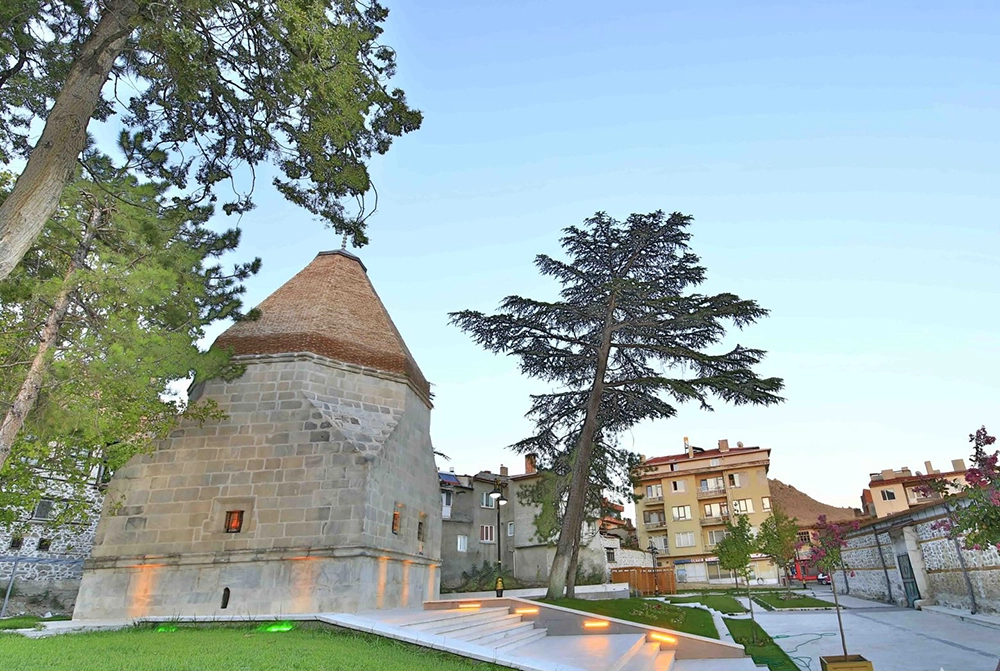
Alemşah Mausoleum: A two-story Seljuk-era tomb in Sivrihisar,
distinguished by its geometric decorations and pyramidal roof.
More
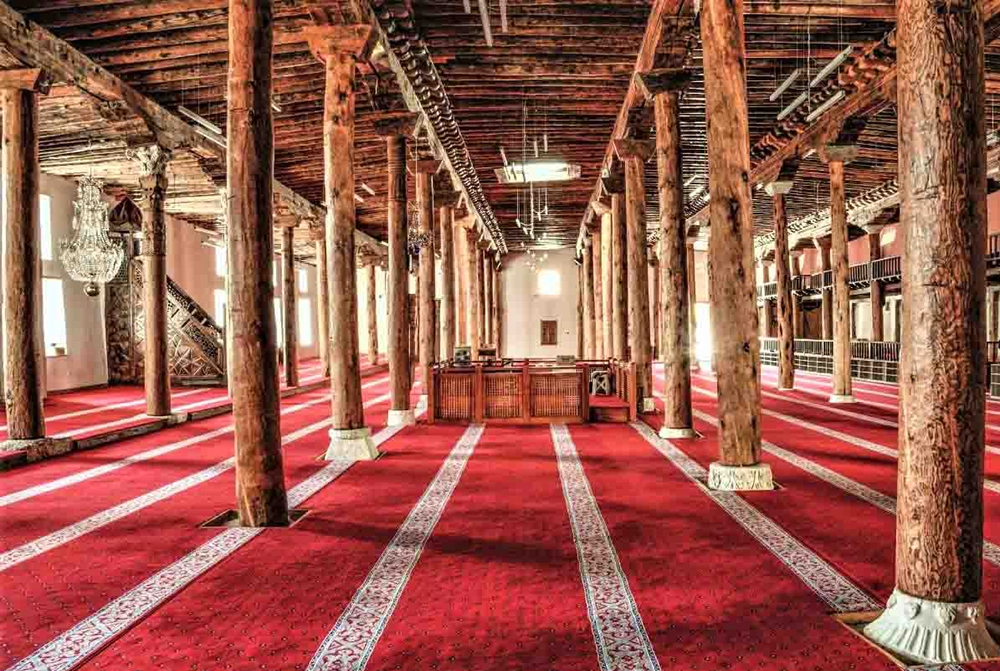
Sivrihisar Grand Mosque: One of the five structures inscribed on
the UNESCO World Heritage List in 2023 under ‘Medieval Wooden Hypostyle Mosques
of Anatolia’. Known locally as the ‘Pillar Mosque’ due to its 67 wooden columns,
this Seljuk masterpiece preserves its historical fabric to this day.
More
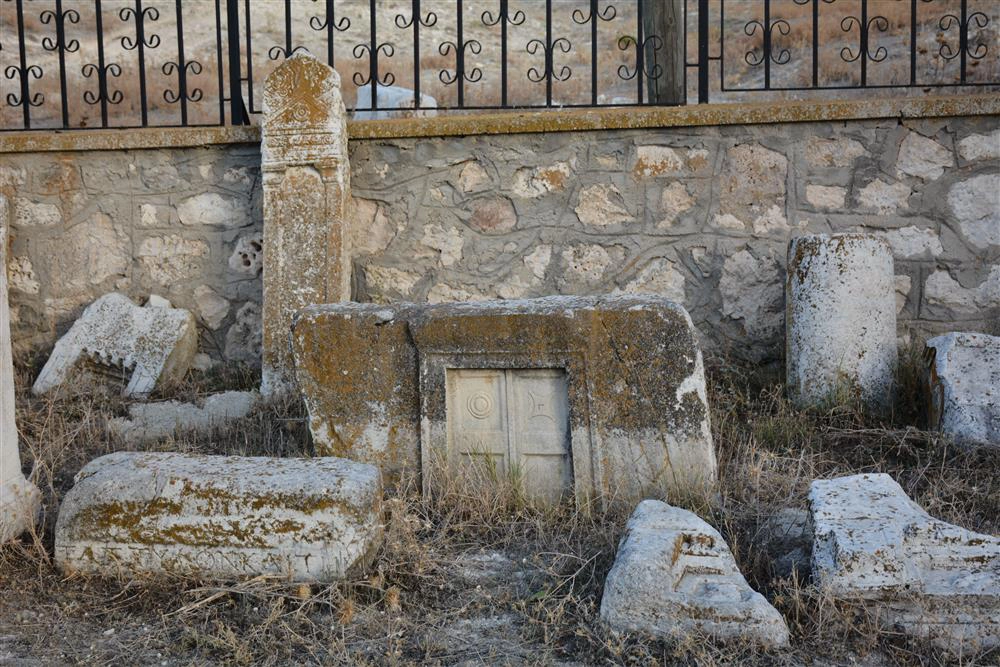
Pessinus Ancient City: Located in Ballıhisar village of
Sivrihisar, this ancient city was one of the most important centers of the cult
of Cybele during the Phrygian and Roman periods.
More
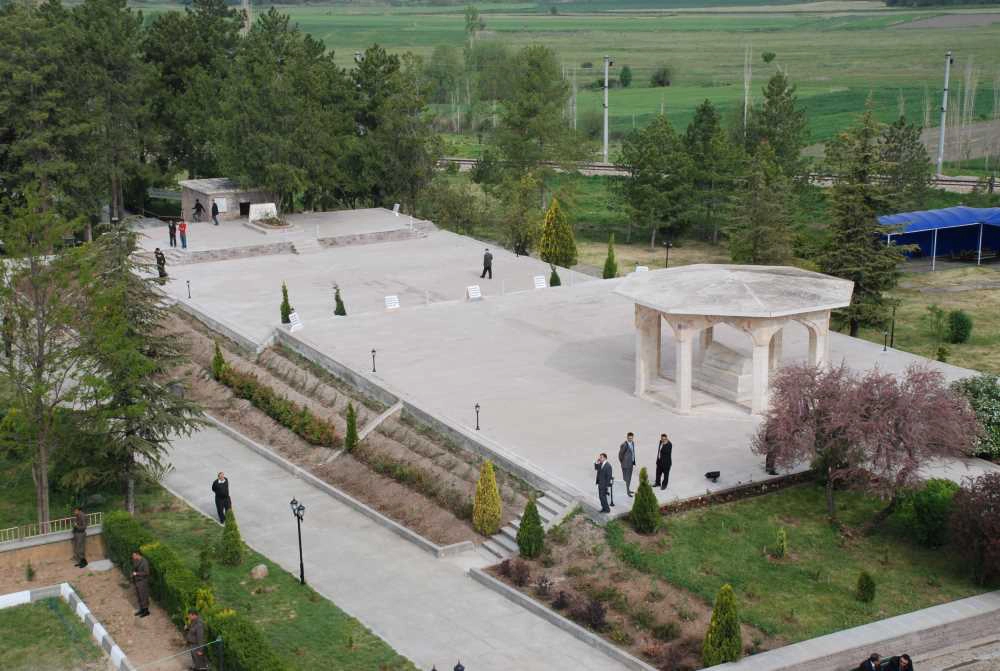
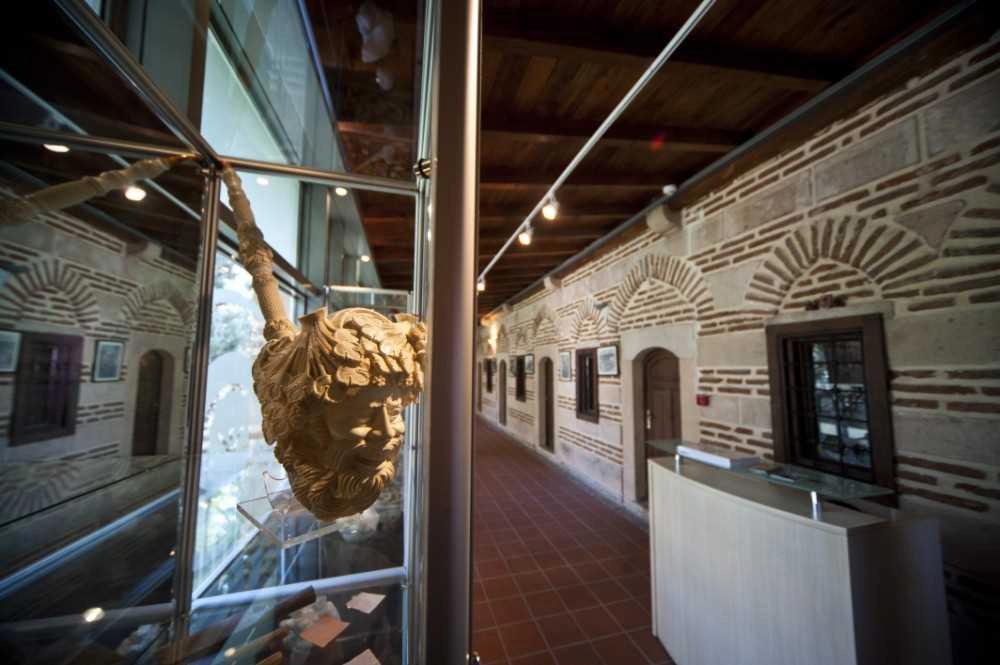
Eskişehir Eti Archaeology Museum: A modern museum exhibiting
thousands of artifacts from the Neolithic period to the Ottoman era, including
findings from the Dorylaeum excavations.
More
Yunus Emre Museum: Located within the Yunus Emre Complex in
Mihalıççık, this museum displays ethnographic artifacts related to the poet’s
life and poetry.
More
Meerschaum Museum: Situated in the Kurşunlu Complex in
Odunpazarı, the museum displays pipes and jewelry crafted by the world’s finest
meerschaum masters, featuring around 400 works by 60 artists.
More
Contemporary Glass Arts Museum: Türkiye’s first glass museum,
housed in a historic Odunpazarı mansion and exhibiting modern works by Turkish
and international glass artists.
More
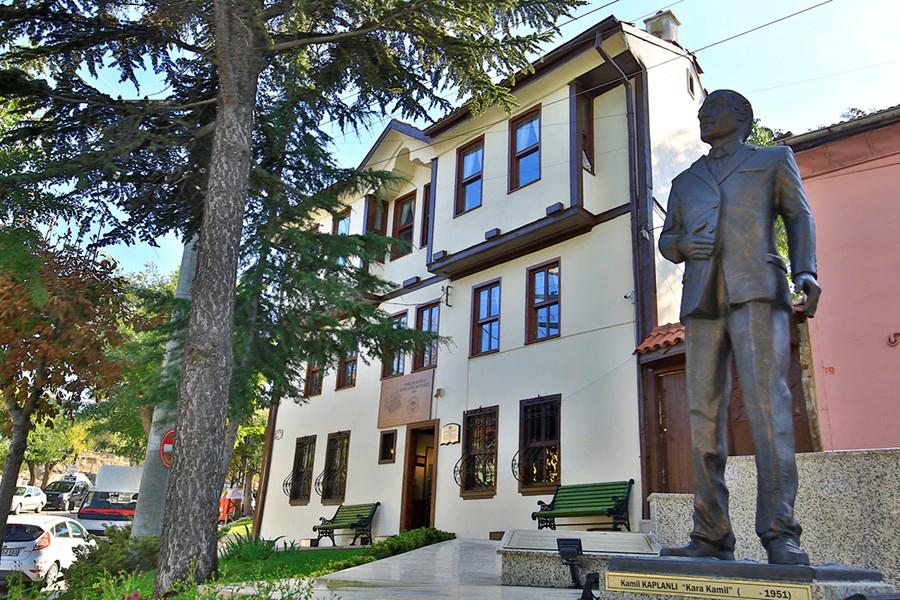
Republic History Museum: Located in a restored historic building
by Anadolu University, this museum displays documents illuminating the early
years of the Republic and Atatürk’s reforms.
More
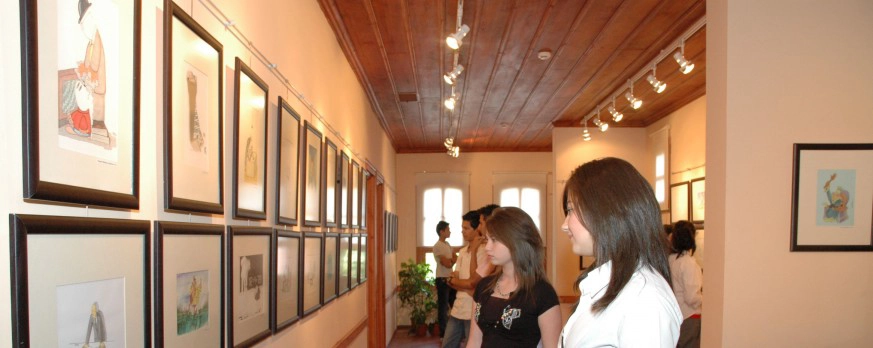
Education Cartoons Museum: A museum housed in a historic
mansion,
established to promote cartoon art, featuring a rich archive and exhibition
spaces.
More
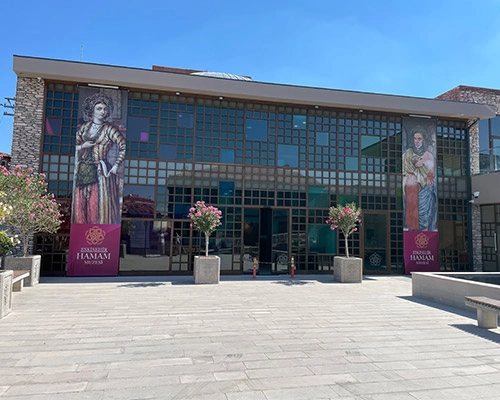
Seyitgazi Boron and Ethnography Museum: Located in a historic
bathhouse in Seyitgazi, this museum exhibits boron-one of the region’s most
important minerals-alongside local ethnographic items.
More
Yılmaz Büyükerşen Wax Sculptures Museum: A popular museum
featuring
lifelike wax figures of hundreds of famous figures, from Atatürk and world
leaders to artists and athletes.
More
Odunpazarı Modern Museum (OMM): Located in the historic
Odunpazarı district,
Odunpazarı Modern Museum (OMM) is one of Türkiye's leading contemporary art
museums. Designed by
internationally renowed architect Kengo Kuma, the museum host exhibitions
featuring modern and
contemporary artworks by both Turkish and international artists.
More
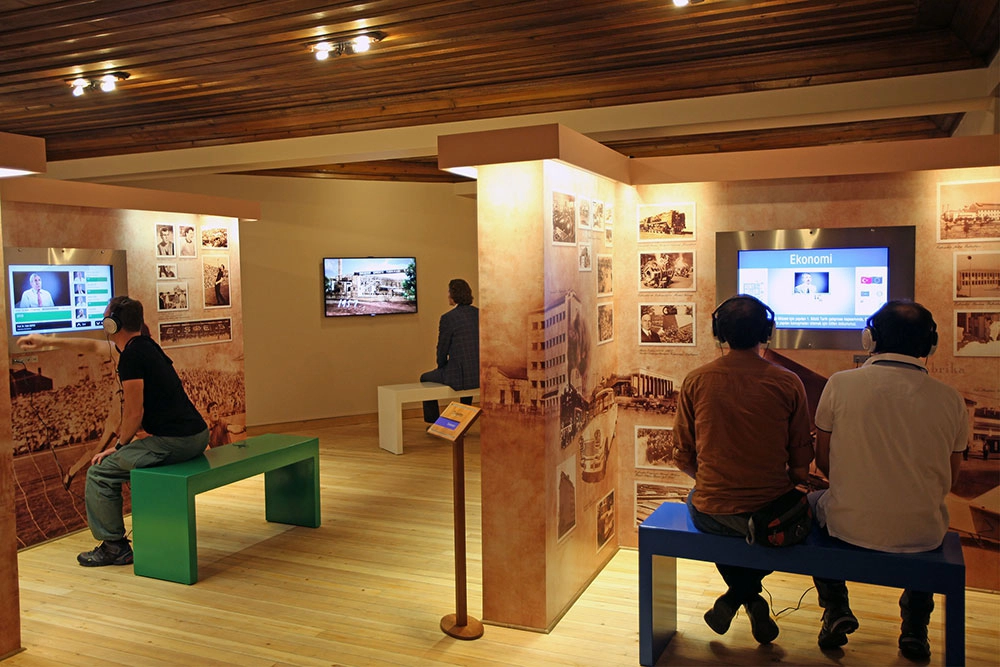
City Memory Museum: A museum presenting Eskişehir’s history,
culture, prominent figures, and development through interactive displays,
serving as the city’s collective memory.
More
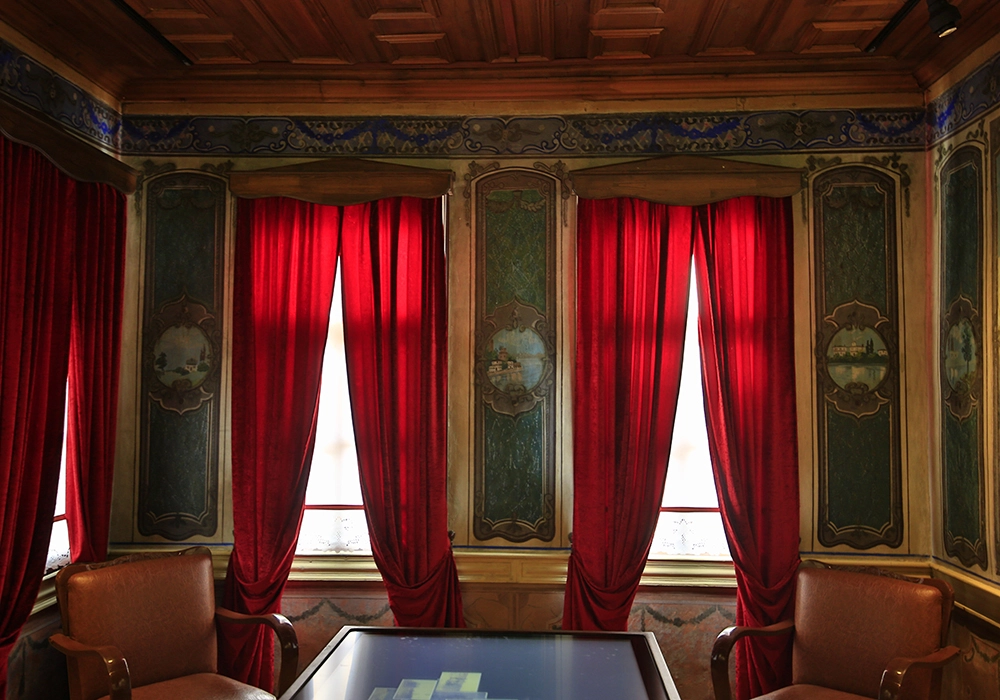
Eskişehir Bath Museum: Located in a historic Odunpazarı mansion,
this museum narrates bathing culture and Eskişehir’s spa tradition through
objects and visuals.
More
Eskişehir Independence Museum: A historic museum housed in
Mestanoğlu Halil Mansion, offering an immersive experience of the Turkish War of
Independence and Eskişehir’s liberation through interactive exhibits and period
photographs.
More
Tayfun Talipoğlu Typewriter Museum: Türkiye’s first typewriter
museum, displaying typewriters belonging to journalist Tayfun Talipoğlu and
prominent figures such as former Prime Minister Bülent Ecevit.
More
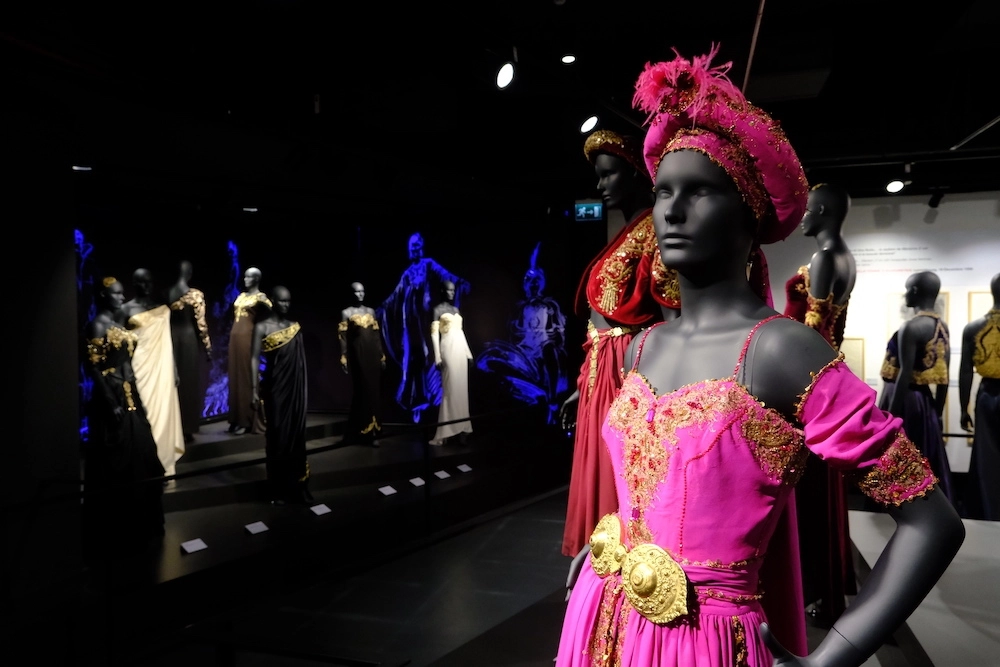
Zühal Yorgancıoğlu Fashion Design Museum: A museum highlighting
fashion history through garments and sketches designed over more than 70 years
by renowned fashion designer Zühal Yorgancıoğlu.
More
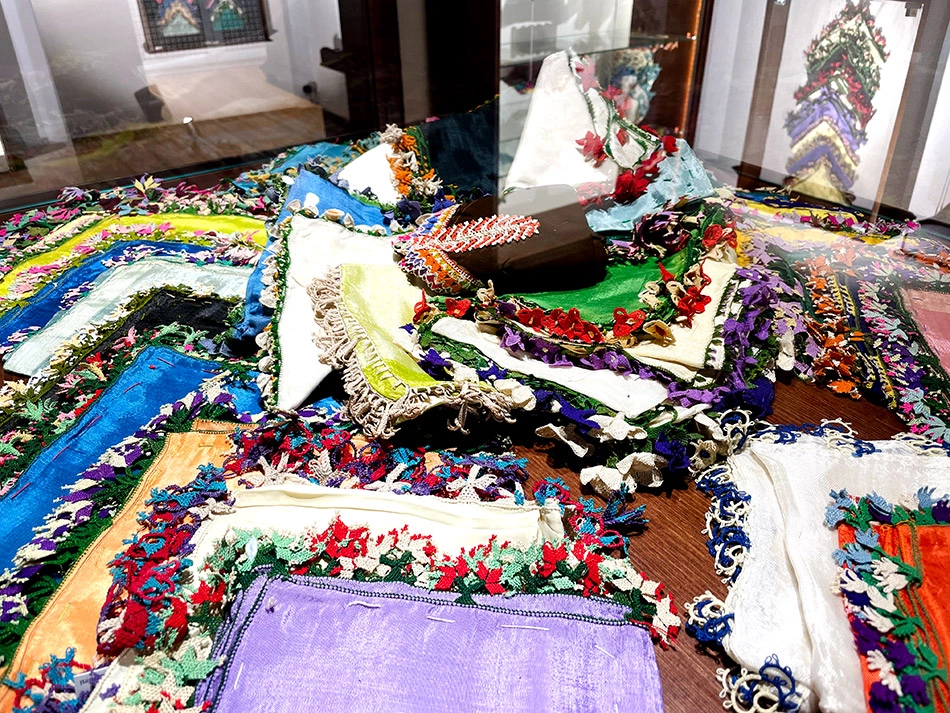
İmren Erşen Lace Museum: A museum exhibiting thousands of needle
lace examples collected from villages across Anatolia by painter İmren Erşen,
showcasing the elegance of traditional handicrafts.
More
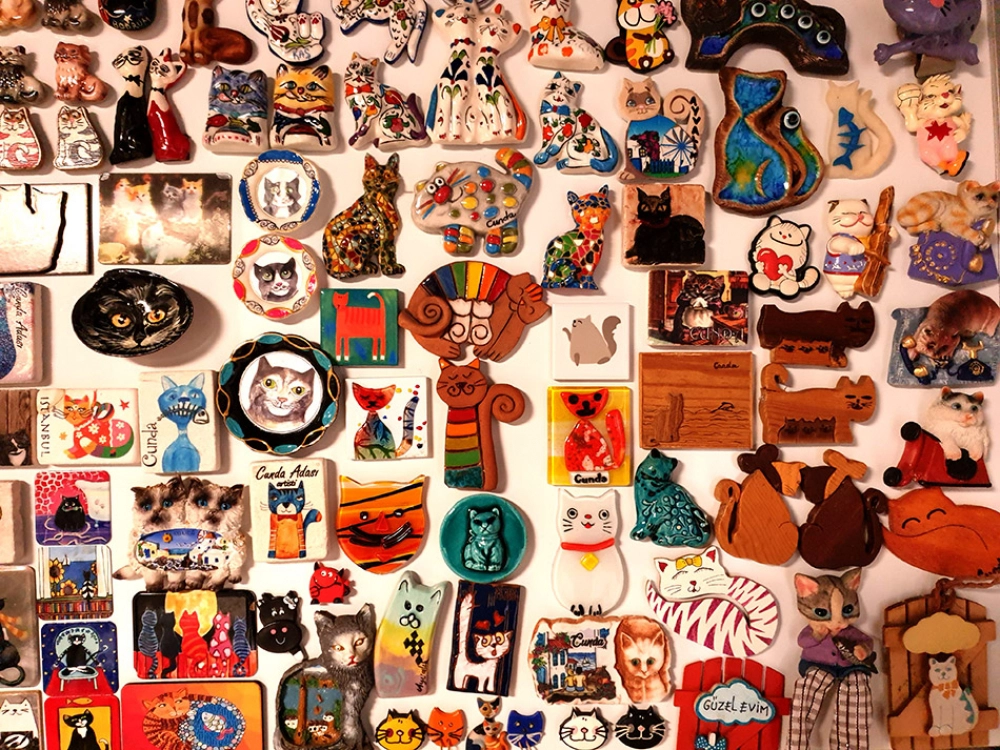
Berna Türemen Cat Art House: A boutique art space displaying
cat-themed objects, paintings, and sculptures collected from around the world by
artist Berna Türemen.
More
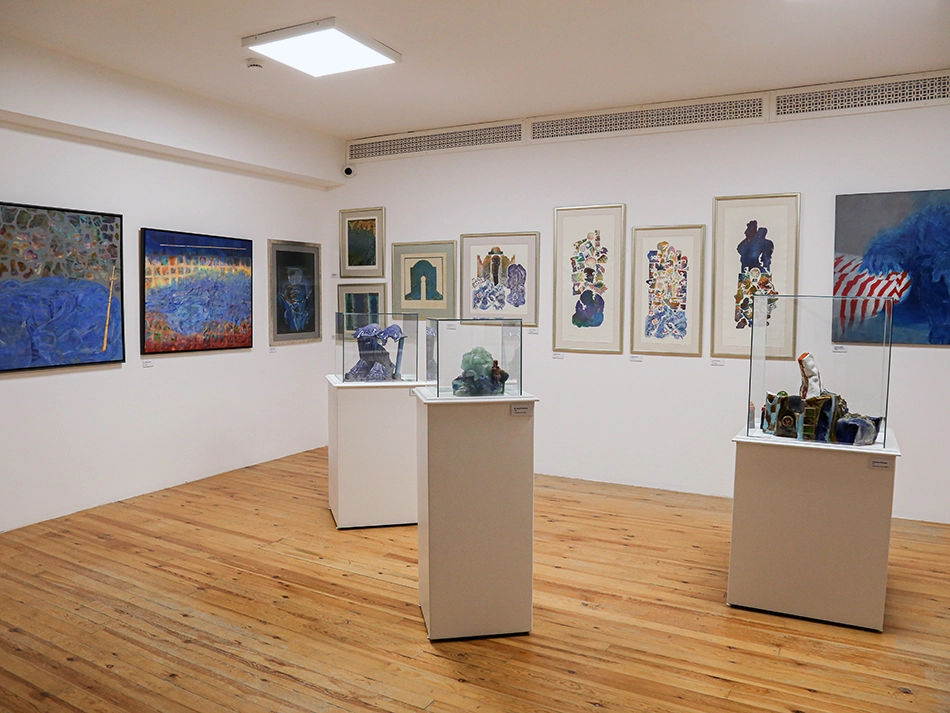
Ali İsmail Türemen Blue Art House: A special venue preserving
the
memory of Prof. Ali İsmail Türemen, exhibiting works from his ‘Blue’ period,
along with personal belongings and collections.
More
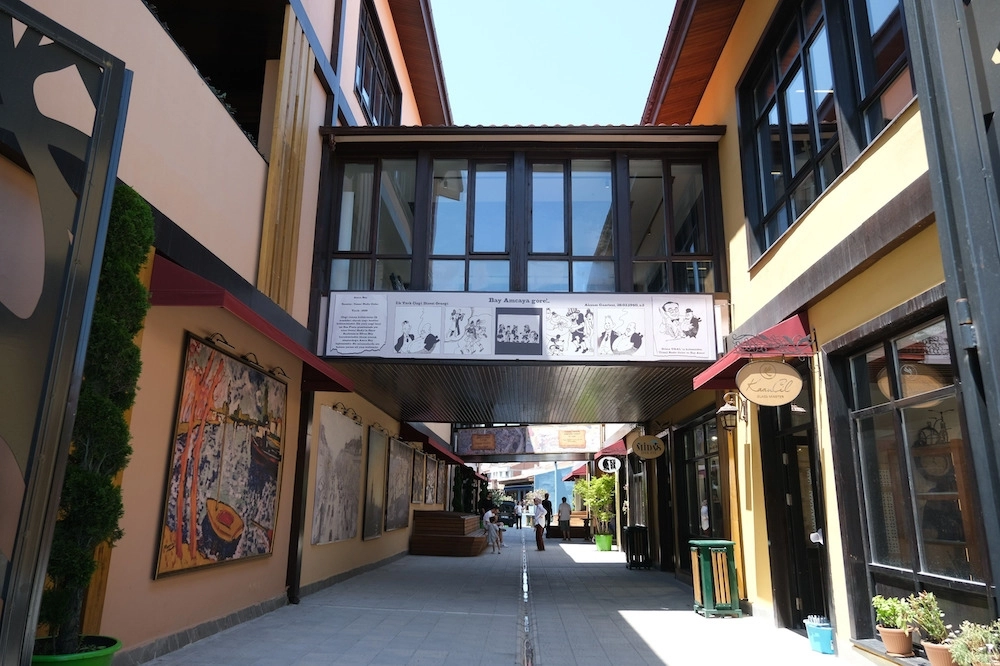
Art Street: Located in Odunpazarı, this street offers an
interactive artistic experience with ceramic, glass, and wood workshops, as well
as exhibition spaces.
More
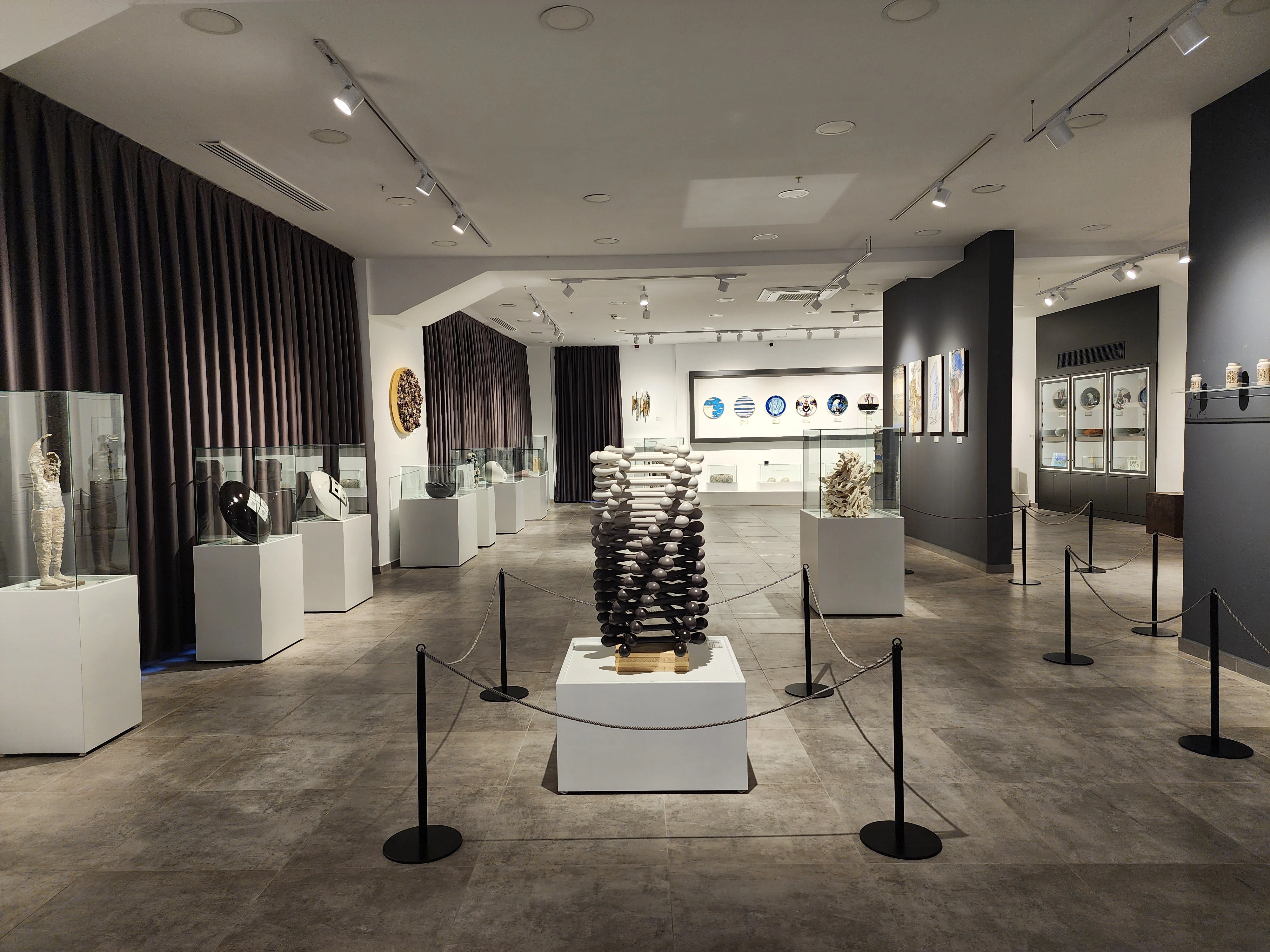
International Contemporary Ceramic Arts Museum: Situated on Art
Street, this museum brings together modern works by Turkish and international
ceramic artists, offering visitors a visual feast.
More